CSR
Planning a CSR volunteering day your team will remember
A volunteering day can be the most meaningful thing a team does together, or a photo opportunity nobody believes in. How to choose a cause, a partner and a format that make a real difference.
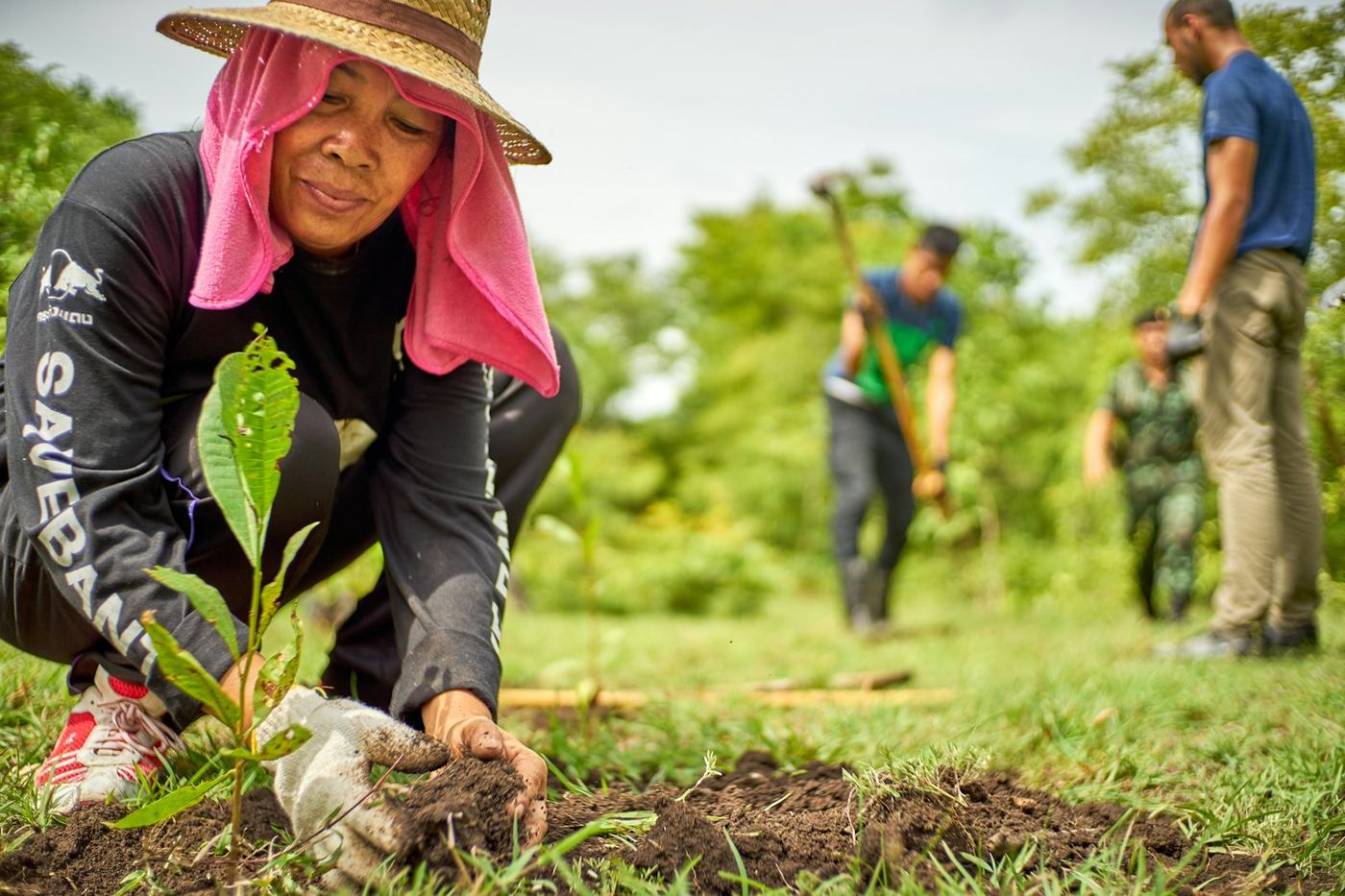
More and more companies want their people to give back together, not just through a CSR budget. A well-run volunteering day can be the most meaningful day a team spends together all year. It builds pride in the company and gives colleagues a very different way to know each other. A poorly run one feels like a photo opportunity, and people notice.
Start with the cause, not the activity
Pick a cause that connects to your team or your business. A company that builds education software might work with a school. A team with lots of new parents might choose a children's hospital. A team in a fast-growing city might care about green cover or lakes. Ask your team to suggest causes: a short poll is enough, and people commit more to something they chose.
If your company has a formal CSR policy, talk to the CSR or finance team early. They can tell you which partners the company already works with, and how the costs of a volunteering day should be recorded.
Choose a partner who knows the work
The best volunteering days are organised with an established NGO or community group that does this work all year. They know what is genuinely useful, what volunteers can do in a few hours, and how to make sure the effort lasts after you leave. Questions worth asking:
- What happens to this work after our day? Who maintains it?
- What would be most useful to you right now, even if it is less photogenic?
- How many volunteers can you host well, and for how long?
- Is there anything our team should know about working with the community here?
Formats that tend to work well, depending on your team and partner:
Urban forests and tree planting
Tree planting is popular for good reason: it is physical, social and leaves something visible behind. Dense native-species plantations, often called Miyawaki forests, are increasingly common in Indian cities. Plan around the monsoon, when saplings have the best chance, and choose a partner who commits to watering and maintenance for at least the first couple of years. Ask about survival rates.
Building and repairing
Painting a government school, building library shelves or setting up a play area are satisfying team tasks with a clear end point. Coordinate closely with the school so the work fits their needs and their calendar.
Skills-based volunteering
Your team's professional skills may be worth more than their labour. Finance teams can run money-management workshops, designers can help a non-profit with its materials, engineers can mentor students. These sessions often have a longer impact than a single day of physical work.
Packing and drives
Assembling school kits, hygiene kits or ration packs works well for large groups, including people who cannot travel far or do physical work. Confirm with your partner that the items are actually needed, and in what quantities.
Making the day work for everyone
- Offer more than one role. Some people want to dig; others would rather organise, teach or document.
- Plan for the weather. Outdoor work in summer heat needs early starts, shade, water and rest breaks.
- Brief the team beforehand on the cause, the partner and what to expect, including what to wear and any etiquette.
- Be respectful with photos. Ask before photographing people, especially children, and let the work be the focus.
- Keep the group size to what the partner can host well. Split very large teams into batches or across sites.
After the day
Share what was achieved in plain numbers: saplings planted, books shelved, kits packed. Follow up in a few months with an update from your partner, such as how many saplings survived or how the library is being used. That update often means more to people than the day itself, and it builds the case for doing it again.
Bunchup lists CSR days, including urban forest drives, run with partners who handle the groundwork. Tell a planner your team size and city and they will suggest what fits.